 Dileep Dilraj
Listen instead
I recorded two short audio episodes for this study - one decoding Head Ball 2 itself, one on Masomo, the studio behind it. Press play and read along, or let them carry the whole story.

The story
My journey with Head Ball 2 started in 2018, thanks to an invitation from a colleague. What began as a simple way to pass time quickly turned into a daily challenge, bringing us together over exciting soccer matches. Fast forward to 2024: I revisited the game, now updated with the latest features. The excitement was still there, but the game had changed a lot - and it had become even more appealing to players.
That experience got me thinking. As a product designer, I wanted to understand what made Head Ball 2 a game people play every day. This case study is my attempt to uncover the UX strategies that put the game in top-10 lists across various countries - and to explore why it is so hard to put down.
The process
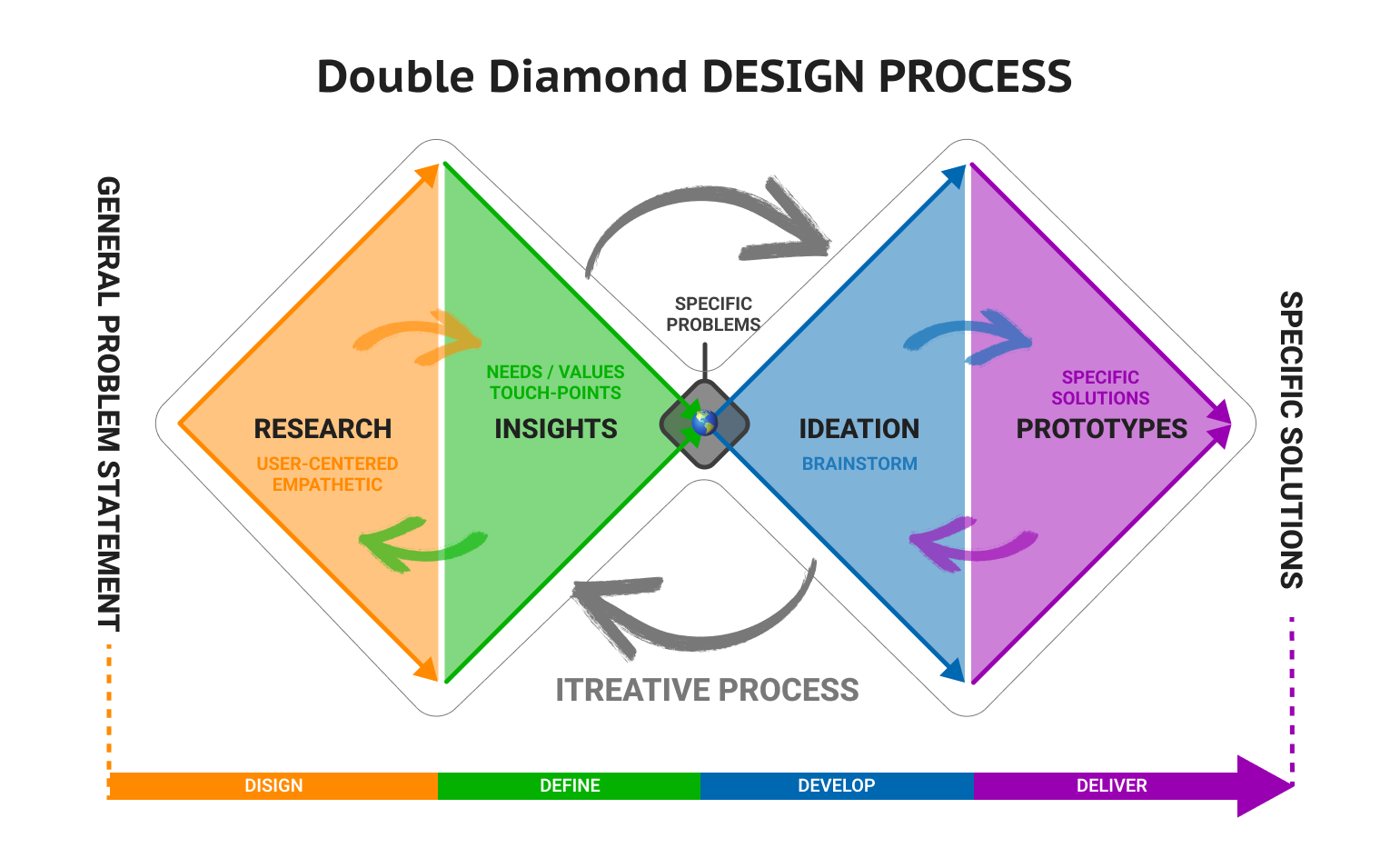
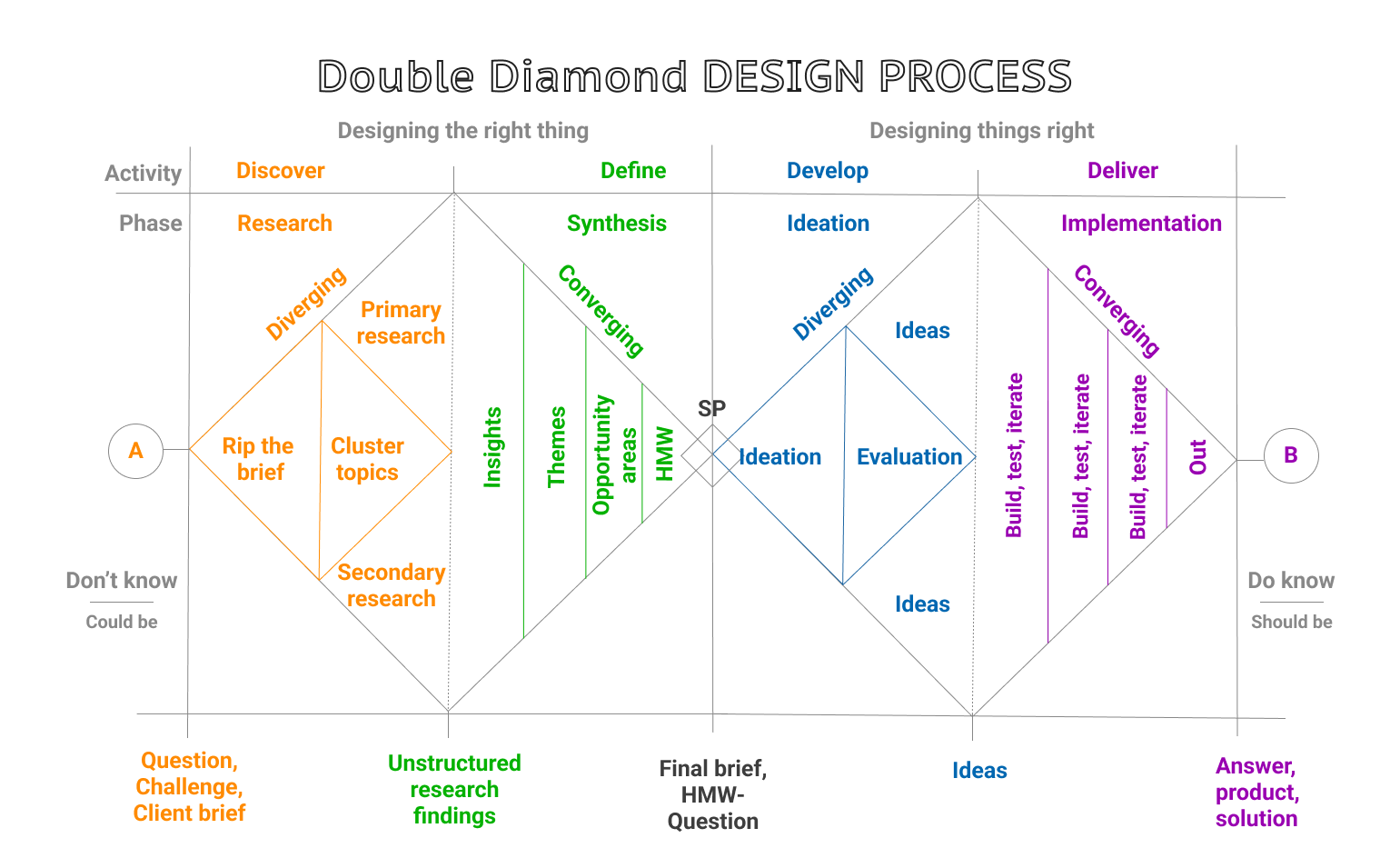
I used the Double Diamond process for this study, because it stretches comfortably across everything the game touches: design, graphics, development, marketing, sales and business insight.
The journey divides into four parts - Discover, Define, Develop and Deliver. Think of the Double Diamond as a map that organises the creative work rather than a straight path through it. In this study I walk through each part in the order I tackled them, showing how each step shaped the picture of how Head Ball 2 earns its players' time.
What this is - and isn't
This case study focuses solely on the UX of Head Ball 2. It is not a redesign, and it proposes no new screens. As a fan and a professional, I am taking a deep dive into how the game's design works from a user experience perspective - and why it manages to captivate players daily without fail.
The detailed analysis lives in a slide deck, embedded further down the page, for anyone who wants the full working.
Masomo, and the numbers
The brains behind Head Ball 2 is Ibrahim, the founder of Masomo, a company established in 2015. The game originally launched as Online Kafa Topu - known in English as Head Ball - which Ibrahim's team built in 2014, before Masomo was even officially founded.
The game gained popularity quickly. By 2017 it was featured on the Google Play Store, and from there its success snowballed: players downloaded it in droves and recommended it to friends, largely because of its engaging two-player online format. In 2019 Miniclip acquired Masomo, which brought continuous updates, new features and additional purchase options.
To see how the game performs today, I pulled its ratings, reviews, download rates, revenue and country rankings from both the Apple App Store and Google Play Store. I wrote up the company's story separately on Medium, and collected the store data in a PDF - both are a click away:

Interviews
For first-hand insight I reached out to friends and other players - including people who play Head Ball 2 at a professional level - to talk about their experience: overall impression, performance, how often they play and how much time they spend in the game each month. I used Google Forms to collect and organise the responses systematically.
The feedback was revealing. On average, players dedicate about 3-5 hours daily to Head Ball 2 - roughly 120 hours a month. A common complaint also emerged: the game has recently started showing more ads after each match, which has been a turn-off for many players, with some considering a switch to other games.
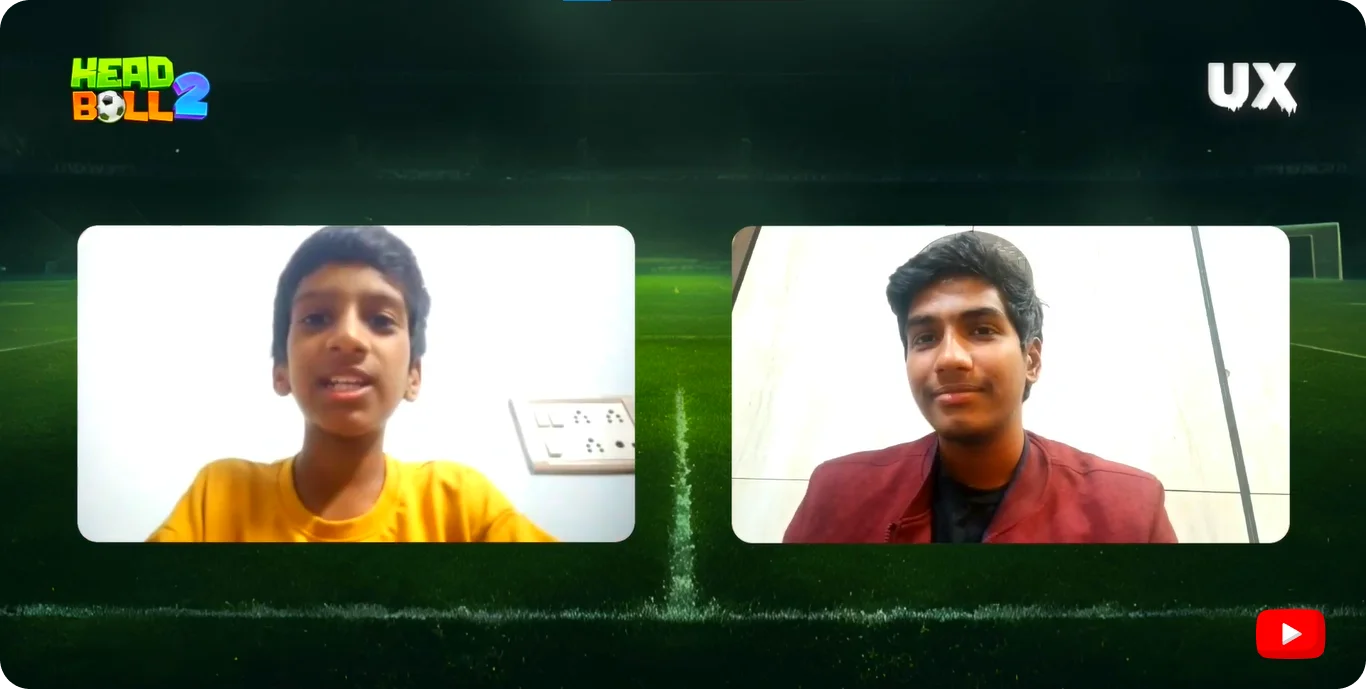
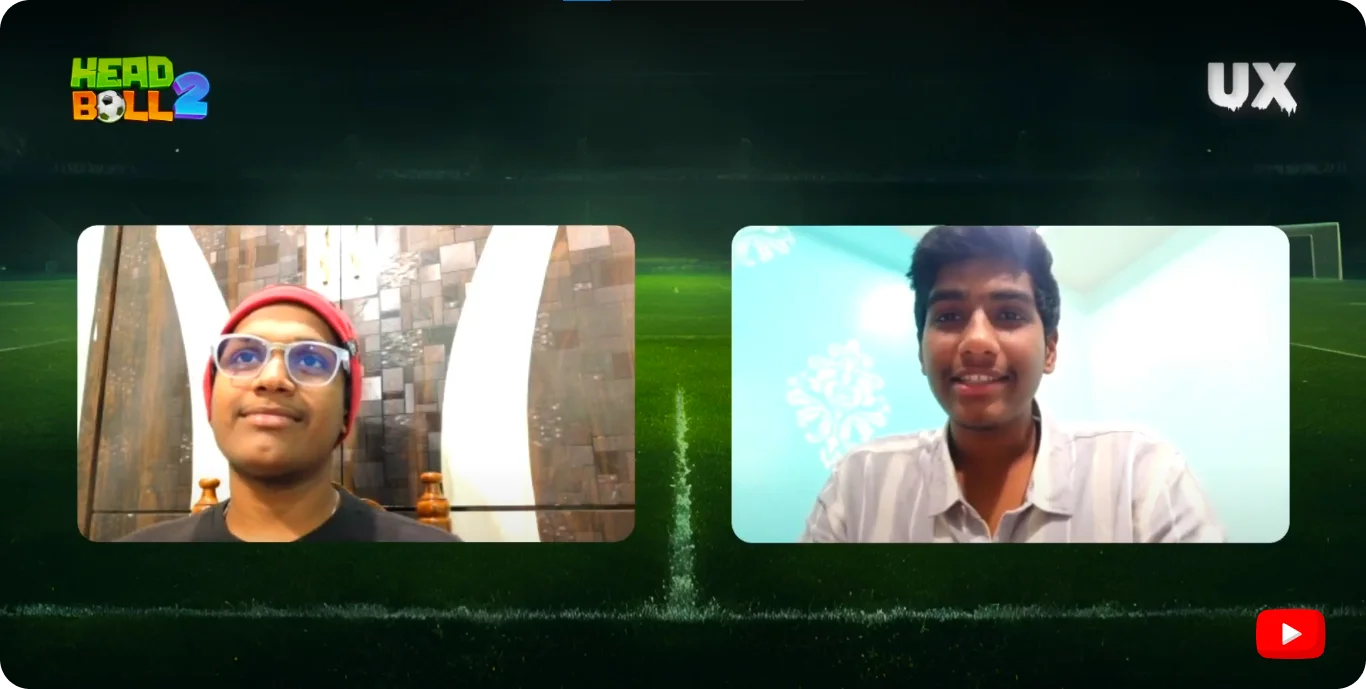
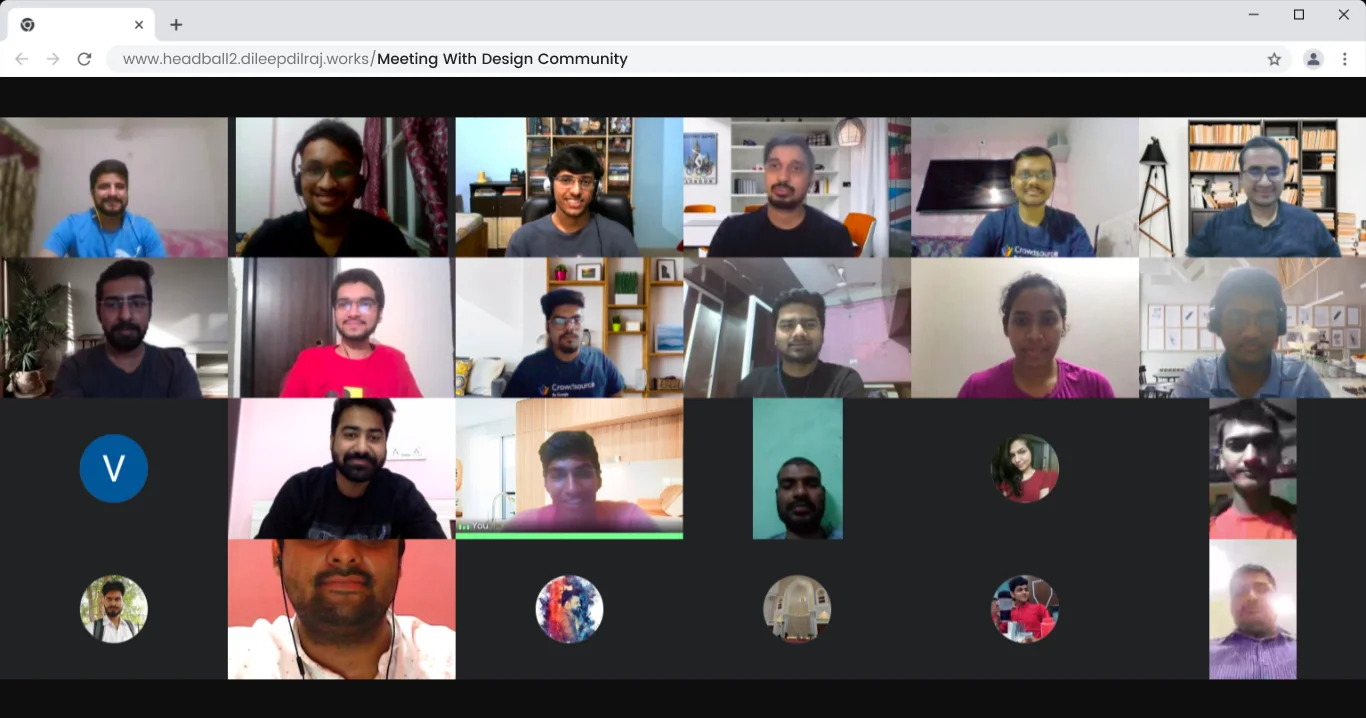
The raw material, for anyone who wants to check my working:
- The survey - Google Form
- Every response, charted - form analytics
- Interview with Karthik - watch on YouTube
- Interview with Harsha - watch on YouTube
Scope of work
The study covers five areas, each one a different lens on why the game holds attention the way it does:
Addiction finder
The elements that potentially lead to player addiction - the mechanics, the rewards system, and the features that make players come back for one more match.
How gamification works in UX
How progression systems, challenges and rewards are woven together to keep players engaged and motivated - and what that teaches about gamifying anything else.
Effect on players in the real world
How the game might affect cognitive and emotional states outside it - attention span, problem-solving and emotional well-being.
Why the ads repeat
The rationale behind the ad frequency and placement: the balance between monetisation and experience, and what it costs in retention and satisfaction.
Why super characters turn pay-to-win
The monetisation strategy behind characters that can only be bought past a certain level, and what that does to fairness, inclusivity and the game's dynamics.
The full deck
The complete analysis lives in this deck - 102 slides stepping through each scope area in detail. Move through it with the arrows, your keyboard, a swipe, or the scrubber.
What keeps players coming back
Four mechanisms carry most of the weight:
Feedback loops
Complete a mission or upgrade a character and a reward lands immediately. Action, reward, appetite for the next action.
Variable reward schedules
Rewards arrive with a touch of surprise - you never quite know what is next, which keeps every chest and spin exciting.
Social proof
Timed events and leaderboards make the game feel like a community. You are never just playing by yourself.
Visible progression
The game constantly shows how far you have come and what is still ahead - a running invitation to keep going.
I also looked at the darker edge of the same design: how long and how often people play suggests the game can tip from engaging into excessive. And the monetisation leans on it - the really strong characters eventually sit behind a payment, which funds the game but also reshapes the challenge for everyone who does not pay.
Future improvements
The study is analysis, not redesign - but analysing a game this closely leaves you with opinions. These are the improvements I would explore:
- Suggest a character to beat the opponent. Recommend characters based on the opponent's strengths and weaknesses, adding a tactical layer to every match-up.
- Challenges with specific conditions. Modes like "no super power", "score 10 goals in a match" or "don't move" - fresh twists that keep the gameplay varied.
- Demo heroic characters. A "try it now" taste of a heroic character for free - try before you buy, for players weighing the investment.
- Real gifts for pro players. Reward the players who unlock heroic characters with real-world gifts - a tangible acknowledgement of skill and dedication.
- Sell custom characters. Let players design, customise and sell characters with unique abilities, skins and accessories - a player-driven in-game economy.
My favourites in the game
- Session passes and holiday themes. The game stays fresh with themed seasons - it feels like celebrating a festival every time you play.
- Live tournaments. A real sense of competition and community, like being part of one big event.
- Commentary. A sportscaster narrating your moves makes every match feel like a real broadcast.
- Skin upgrades. Not just new looks - a nudge to improve your skills before chasing new characters.
- Ticket limits as breaks. A smart, built-in pause that stops people playing too much at once.
- Colour palette and sound effects. Bright, lively and a big part of why the game feels so alive.
Outcomes
This study gave me a much clearer understanding of how to apply UX principles deliberately - seeing gamification theory at work inside a product that millions of people use daily is a very different education from reading about it.
Conclusion
Normally I look into PaaS and SaaS platforms, but this game caught my eye with its graphics, its design, and how much people love playing it. Lots of games use gamification to make things interesting - there is something unique about how this one does it that makes it stand out from the rest.
Head Ball 2 in one sentence: a highly addictive game with great graphics and a competitive atmosphere - plagued by excessive ads, lag, and accusations of unfair matchmaking, yet carried by a loyal fanbase that keeps coming back anyway.
A note on scope: nothing here redesigns or criticises the game's team. This is one designer decoding another team's very good work - an exercise in reading a product the way its makers must have written it.
If you made it this far, you are really interested in this case study - thank you for reading it.